When a commercial roof starts showing signs of wear, many building owners face the same question: should you restore the roof with a coating or replace it entirely? The right answer depends on the roof’s condition, performance goals, and long-term plans for the building.
Understanding the difference between roof coating and roof replacement can help you make a smarter, more cost-effective decision.
What Is Commercial Roof Coating?
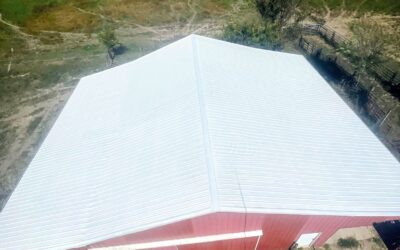
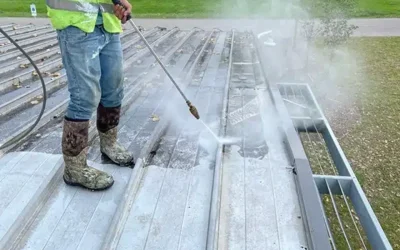
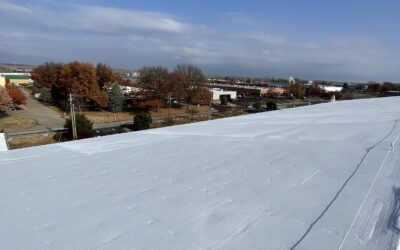
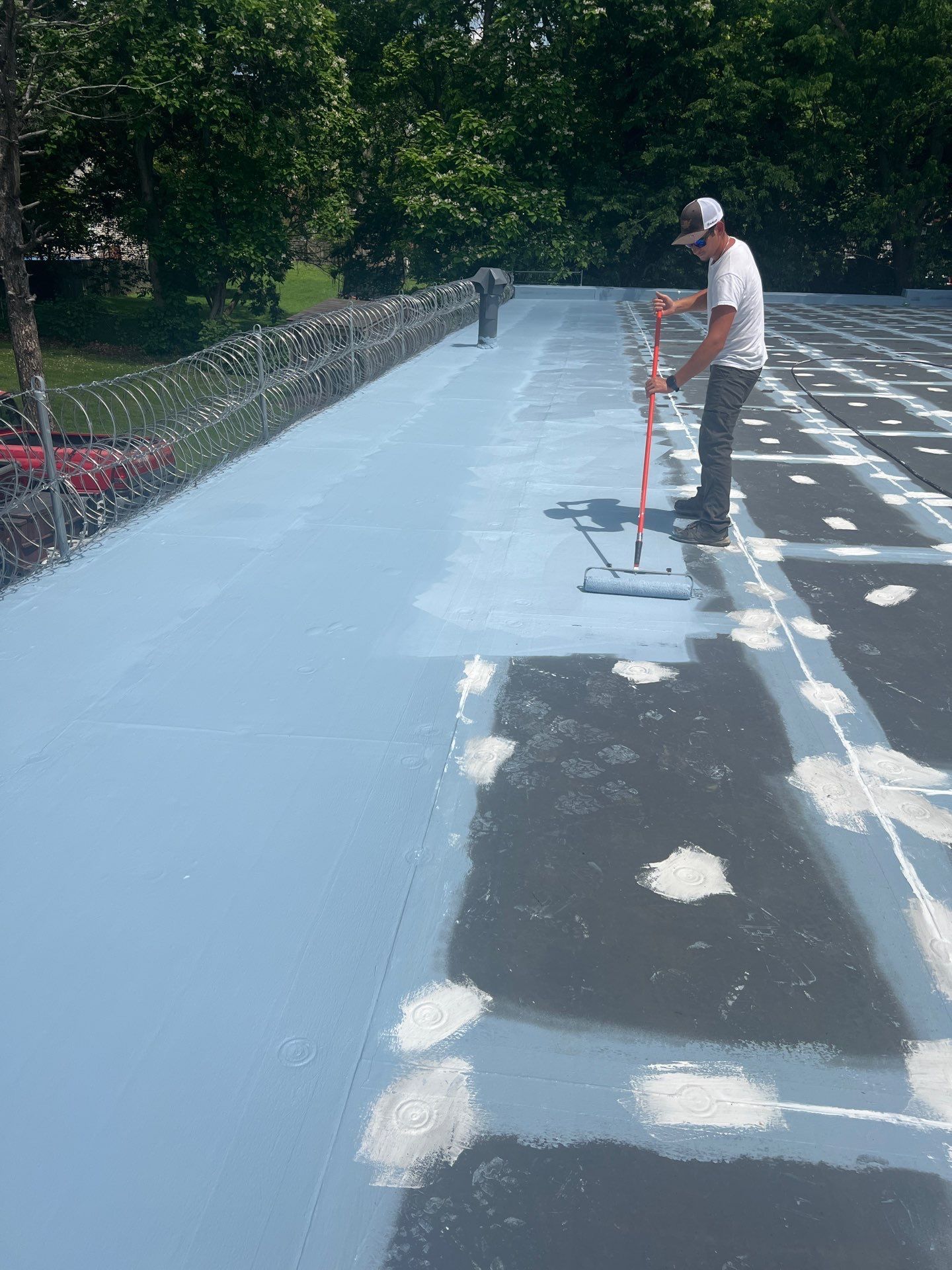
Commercial roof coating is a restoration process that involves applying a protective, fluid-applied system over an existing roof. When installed correctly, roof coatings seal leaks, improve waterproofing, and extend the service life of the roof without removing the existing system.
Roof coating is typically used when the roof structure is still sound but shows signs of aging, surface wear, or minor leaks.
What Is Commercial Roof Replacement?
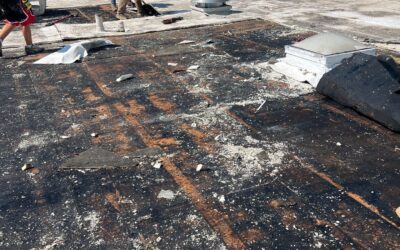
Roof replacement involves removing the existing roofing system and installing a new one from the deck up. This option is usually necessary when the roof has widespread damage, saturated insulation, structural issues, or has reached the end of its usable life.
Replacement is a larger investment and often involves more disruption, but it provides a completely new roofing system.
When Roof Coating Is the Right Choice
Roof coating may be the better option when:
- The roof structure is still in good condition
- Leaks are present but limited and repairable
- Surface aging or weathering is visible
- You want to avoid tear-off and disposal costs
- Minimizing disruption to operations is important
- Extending roof life is the primary goal
Coating allows building owners to restore performance, control costs, and plan future upgrades without immediate replacement.
When Roof Replacement Makes More Sense
Roof replacement is often necessary when:
- The roof has widespread moisture damage
- Insulation or decking is compromised
- Structural issues are present
- Repairs have become frequent and ineffective
- The roof has exceeded its service life
In these cases, coating would not address the underlying problems, and replacement becomes the more responsible long-term solution.
Cost and Disruption Considerations
One of the biggest differences between coating and replacement is cost and impact on daily operations. Roof coating is typically less expensive and far less disruptive, allowing many commercial buildings to remain fully operational during installation.
Replacement requires tear-off, debris removal, and longer installation timelines, which can affect building use and scheduling.
How Energy Efficiency Factors In
Roof coatings often improve energy efficiency by restoring reflective surfaces that reduce heat absorption. This can help lower cooling costs and reduce strain on HVAC systems.
Replacement can also improve efficiency, especially if insulation is upgraded, but it comes with higher upfront costs.
Why a Professional Roof Evaluation Matters
Choosing between roof coating and replacement should never be a guess. A professional roof inspection evaluates the roof’s structure, moisture levels, and overall condition to determine which option supports long-term performance.
The goal is not to sell a specific solution, but to recommend the option that makes sense for the building.
Get the Right Recommendation for Your Building
If your commercial roof is aging, leaking, or nearing the end of its service life, understanding your options is critical. The right choice can save money, extend roof life, and prevent unnecessary disruption.
JW Building Solutions provides professional commercial roof evaluations to help building owners determine whether roof coating or roof replacement is the best path forward.
Contact us today to schedule a roof evaluation and make an informed decision for your building.